May 20, 2026
Concrete is one of the most common materials used in building today. It shows up in sidewalks, driveways, patios, and city streets. While it looks like a simple grey surface, a lot of careful work goes into making it stay strong for a long time. When people want a surface that does not crack or sink after just a few seasons, they look for a professional concrete contractor to handle the job. According to Bob Vila, if installed properly in a suitable climate and maintained regularly, your concrete driveway should last 30 to 40 years. This longevity is only possible when every step of the process is followed with care. From the way the ground is packed down to the way the wet mix is smoothed out, each detail matters.
Preparing the Ground Properly
The first step in any project is getting the dirt ready. You cannot just pour a heavy mix onto soft grass or loose soil. A concrete contractor will start by digging out the area to the right depth. They remove any roots or rocks that might push up against the slab from underneath. After the area is cleared, they add a layer of sub-base material like gravel or crushed stone. This layer provides a flat and stable place for the slab to sit.
Packing this base down is a big part of the work. If the base is loose, the weight of the slab will cause it to sink in some spots and stay high in others. This uneven pressure causes the material to snap. Professionals use heavy machines to press the gravel down until it is as hard as a rock. This step keeps the surface level for many years. It also helps with drainage. When water can flow through the gravel and away from the slab, the ground stays stable during rainy seasons.
Setting the Framework Accurately
Once the ground is ready, the next step involves building the edges. These edges are usually made of wood or metal and act like a mold for a cake. They hold the wet mix in place so it stays in the shape of the driveway or patio. A concrete contractor spends a lot of time making sure these forms are straight and at the right height. If the forms are crooked, the final surface will look messy and might not drain water correctly.
The forms also help create the right slope. Surfaces should never be perfectly flat. They need a very slight tilt so that rainwater runs off the side instead of pooling in the middle. If water stays on the surface, it can soak into small pores and freeze. When water freezes, it expands and breaks the surface from the inside out. By setting the framework accurately, the team makes sure the water always has a way to get out. This careful planning is a hallmark of seeking professional help.
Reinforcing the Interior Slab
Concrete is very good at holding weight when something is pushing down on it. However, it is not as good at being pulled or stretched. To help with this, professionals add extra strength inside the slab. This is often done with steel bars or wire mesh. These metal pieces are placed inside the forms before any wet mix is added. They are held up by small blocks so that they sit right in the middle of the slab rather than sinking to the bottom.
When the slab tries to move or flex due to heat or cold, the steel holds it together. It acts like a skeleton for the surface. Even if a small crack starts to form, the reinforcement keeps the pieces from moving away from each other. This keeps the surface safe to walk on and prevents the crack from getting wider. A concrete contractor knows exactly how much steel is needed according to the weight the surface will have to carry every day.
Mixing the Materials Correctly
The quality of the wet mix determines how the finished product will look and act. It is a balance of cement, water, sand, and stone. If there is too much water, the mix is easy to pour, but it will be weak when it dries. If there is too little water, the mix will be too thick and might have air pockets inside it. A professional concrete contractor knows the right ratios to use for different types of weather and different types of jobs.
Sometimes they add small amounts of other materials to help the mix handle the local climate. In cold areas, they might use a mix that has tiny air bubbles trapped inside. These bubbles give freezing water a place to go so that it does not crack the slab. Getting the mix right is a science. It requires a lot of experience to know how the material will behave once it leaves the truck and hits the ground. This is another area where seeking professional help makes a huge difference in the final result.
Placing the Wet Mix Carefully
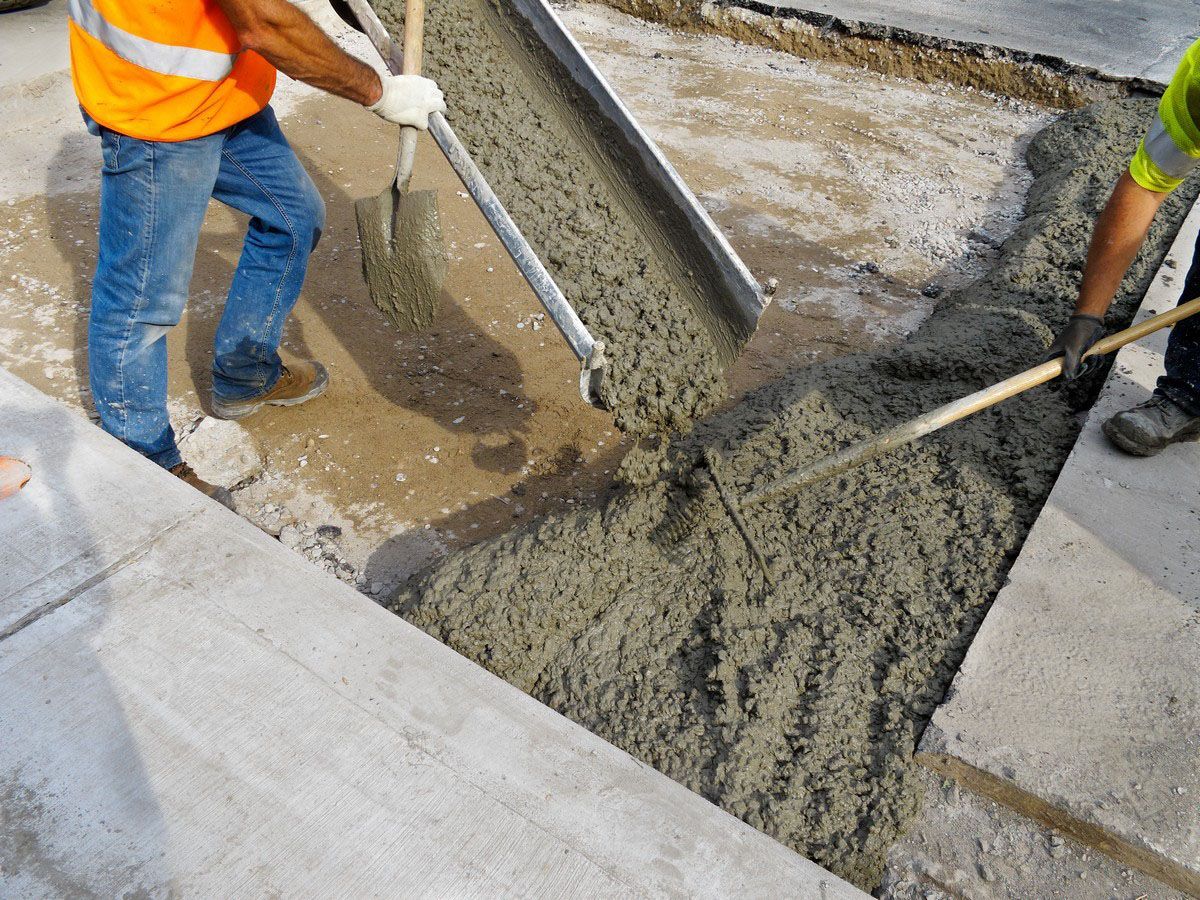
When the truck arrives, the team moves quickly to spread the material into every corner of the forms. A concrete contractor leads the crew to level the wet mix before it hardens, using a straight board to pull away extra material and create a flat plane.
During this process, they push larger stones below the surface to leave a smooth layer of cream on top for a better finish. This prevents the surface from flaking or becoming rough over time. They also round the edges to prevent chipping from tires or lawn equipment, keeping the project in great shape for a long time.
Finishing the Surface Smoothly
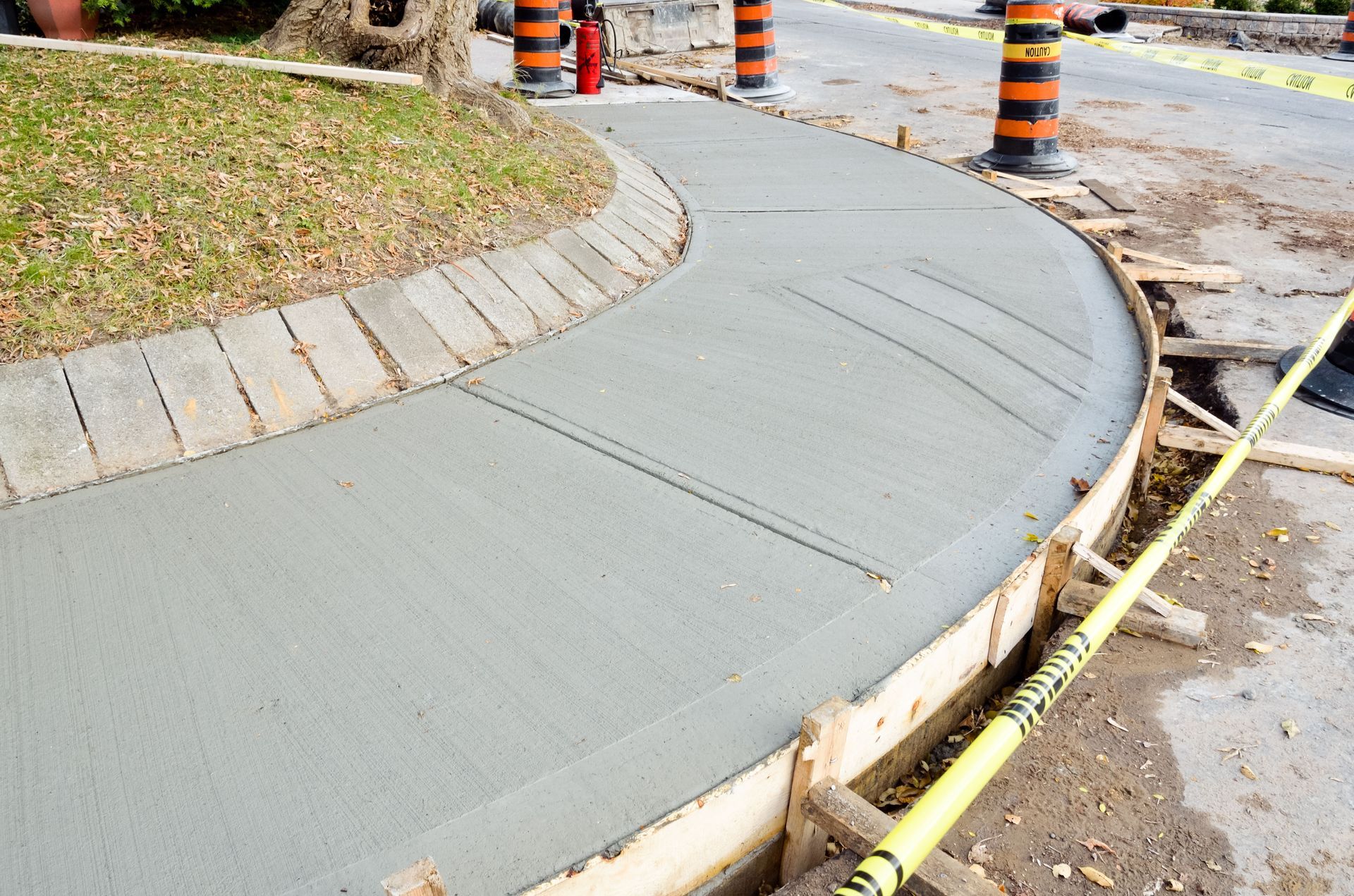
After the slab is level, the team waits for the right moment to finish the top. They use flat metal or wood tools called trowels to smooth out the surface. This process brings more of the fine paste to the top and creates a tight seal. A concrete contractor understands that timing is everything here. If they start too early, they will trap water under the surface. If they start too late, the material will be too hard to move.
They also add control joints during this stage. These look like deep lines cut into the surface. These lines tell the slab where to crack. Every large piece of concrete will eventually have small cracks because of temperature changes. By making these lines, the professional makes sure the cracks happen in a straight line at the bottom of the groove, where no one can see them. This keeps the rest of the surface looking perfect. Without these joints, cracks would wander across the middle of the driveway in ugly patterns.
Curing the Slab Slowly
Many people think that concrete dries, but it actually cures through a chemical reaction. This reaction needs water to keep going. If the slab dries out too fast, it will be brittle and weak. A concrete contractor might cover the new surface with plastic or spray it with a special liquid to keep the moisture inside. Sometimes they even spray it with a garden hose for several days to keep it wet. This slow curing process allows the slab to reach its full strength.
Patience is key during this week. Even if the surface looks hard enough to walk on, it is still gaining strength on the inside. Professionals provide clear instructions on when the surface is ready for use. Following these rules is the best way to honor the work that went into the project. When the curing is done right, the result is a rock-hard surface that can handle decades of use.
Building a strong surface is a complex task that requires a deep understanding of materials and the environment. By seeking professional help, you make sure that every part of the process, from the base to the final seal, is handled correctly. This path leads to a beautiful and functional addition to any property. If you're ready to start your next concrete project, contact a professional concrete contractor at Cohorn Concrete Construction LLC today!