August 18, 2026
Building strong, highly resilient, and aesthetically pleasing structures requires a comprehensive understanding of raw materials, environmental factors, and precise field craftsmanship. Whether you are overseeing a massive commercial development site or installing a simple residential driveway, executing a flawless installation demands continuous attention to detail from initial site clearing to final sealing. By placing a firm emphasis on thorough site preparation and strictly adhering to industry best practices, contractors can systematically avoid costly structural errors and consistently deliver high-performance results that reliably stand the test of time.
The overarching success of the broader building industry rests heavily on small specialty contractors who work tirelessly to transform complex architectural blueprints into physical reality. In fact, according to the U.S. Census Bureau, approximately 80% of active building and trade firms operate with small, highly agile teams composed of fewer than 10 total employees. Because these smaller enterprises often operate without large administrative overheads or massive crews, every individual team member must possess a diverse range of technical skills to maintain job site safety, operational efficiency, and overall construction quality. Developing a deep understanding of core techniques enables these teams to maximize productivity while consistently delivering superior craftsmanship across every project they undertake.
Analyze Site Conditions and Conduct Thorough Planning
Comprehensive pre-construction evaluation serves as the ultimate foundation for every single structural endeavor undertaken in the modern building industry. Before erecting formwork, installing reinforcing steel, or scheduling delivery trucks, site managers must conduct meticulous soil evaluations and thoroughly assess natural site drainage patterns. Failing to properly compact the underlying subgrade often leads to differential settling, severe surface cracking, and the eventual failure of the entire structural slab over time. High-quality concrete construction always begins well beneath the visible surface, where a properly graded and thoroughly compacted base of high-density aggregate guarantees even load distribution, prevents moisture buildup, and ensures long-term structural durability.
Detailed scheduling and weather contingency planning play an equally critical role when organizing extensive placement operations during unpredictable climate conditions. Seasoned project directors continuously track local weather patterns to prevent pouring during conditions of extreme heat, freezing temperatures, or heavy incoming rain showers. Establishing open and clear lines of communication between material suppliers, pump operators, and field crews helps avoid costly traffic delays when transit mixers are en route to the site. Successfully coordinating these logistical variables ensures that your concrete construction project moves forward smoothly and stays on track from the initial mix design verification to final hand-tooling.
Select Superior Materials and Utilize Specialized Equipment
Designing and selecting the correct raw mixture is essential for satisfying specific engineering strength criteria and enduring challenging environmental conditions. Mix formulations must be custom-tailored to handle specific regional climate challenges, including frequent freeze-thaw cycles, exposure to deicing chemicals, or heavy industrial load burdens. Incorporating modern chemical admixtures—such as air-entraining agents, high-range water reducers, or set retarders—significantly enhances material workability, reduces water requirements, and boosts long-term resistance to liquid penetration. Collaborating closely with reliable ready-mix producers ensures that delivered batches maintain consistent slump, air content, and compressive strength attributes that align perfectly with project design specifications.
Deploying the right specialized machinery and hand tools empowers contractors to turn raw slurry into smooth, incredibly durable structural elements capable of bearing heavy daily loads. Utilizing modern high-frequency mechanical vibrators, riding power trowels, and precision laser screeds dramatically boosts worker productivity while improving uniform surface flatness. Careful tool selection allows dedicated trade professionals involved in commercial concrete construction to maintain rigorous quality control standards while minimizing physical fatigue across their workforce. Moreover, implementing a systematic cleaning and preventive maintenance routine for all field equipment after every pour prevents mechanical failures, protects expensive capital investments, and ensures reliable job site operation.
Master Pouring, Leveling, and Surface Finishing Methods
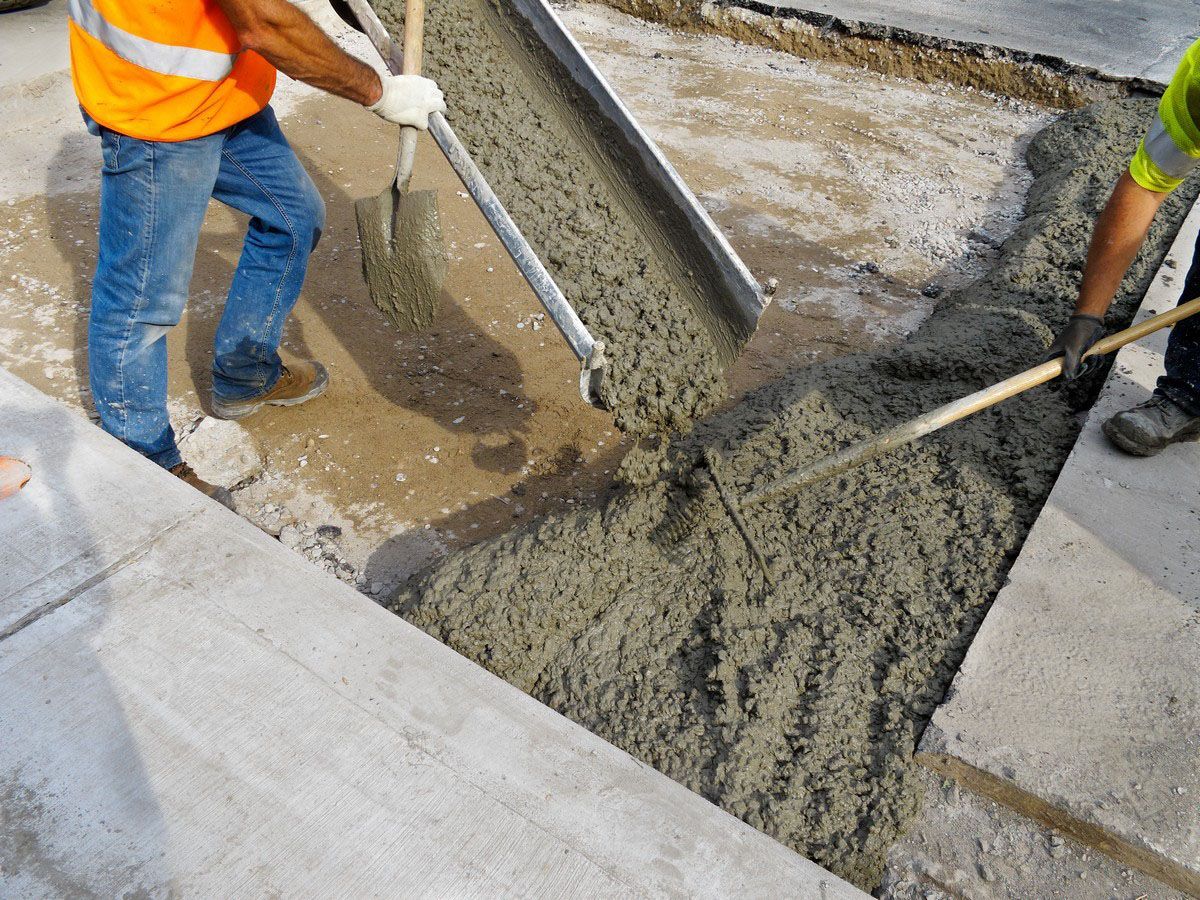
The physical placement stage demands continuous coordination and rapid execution to eliminate cold joints, segregation, and structural flaws across the footprint. Strategic positioning of transit trucks and concrete pumps minimizes drop distances, which prevents heavy aggregate from separating from the surrounding cement paste during discharge. Skilled field crews executing large-scale concrete construction recognize that dropping material from excessive heights or dragging it laterally using shovels damages matrix uniformity and introduces structural weaknesses. Systematically placing material directly into prepared formwork while operating internal vibrators effectively drives out entrapped air pockets, ensuring complete consolidation around dense reinforcement networks.
Initial screeding and strike-off operations must begin immediately after placement to establish precise grade elevations and remove excess wet material from the surface. Utilizing manual straightedges or motorized screeds flattens the surface while establishing the desired slope necessary for effective rainwater runoff and drainage. Immediately following screeding, bull floating operations smooth out surface imperfections, fill minor low spots, and gently press coarse aggregate down below a workable surface layer of fine cement paste. Executing these initial smoothing passes at the exact right moment is crucial, as working the material prematurely traps excess bleed water and severely weakens the upper wear surface.
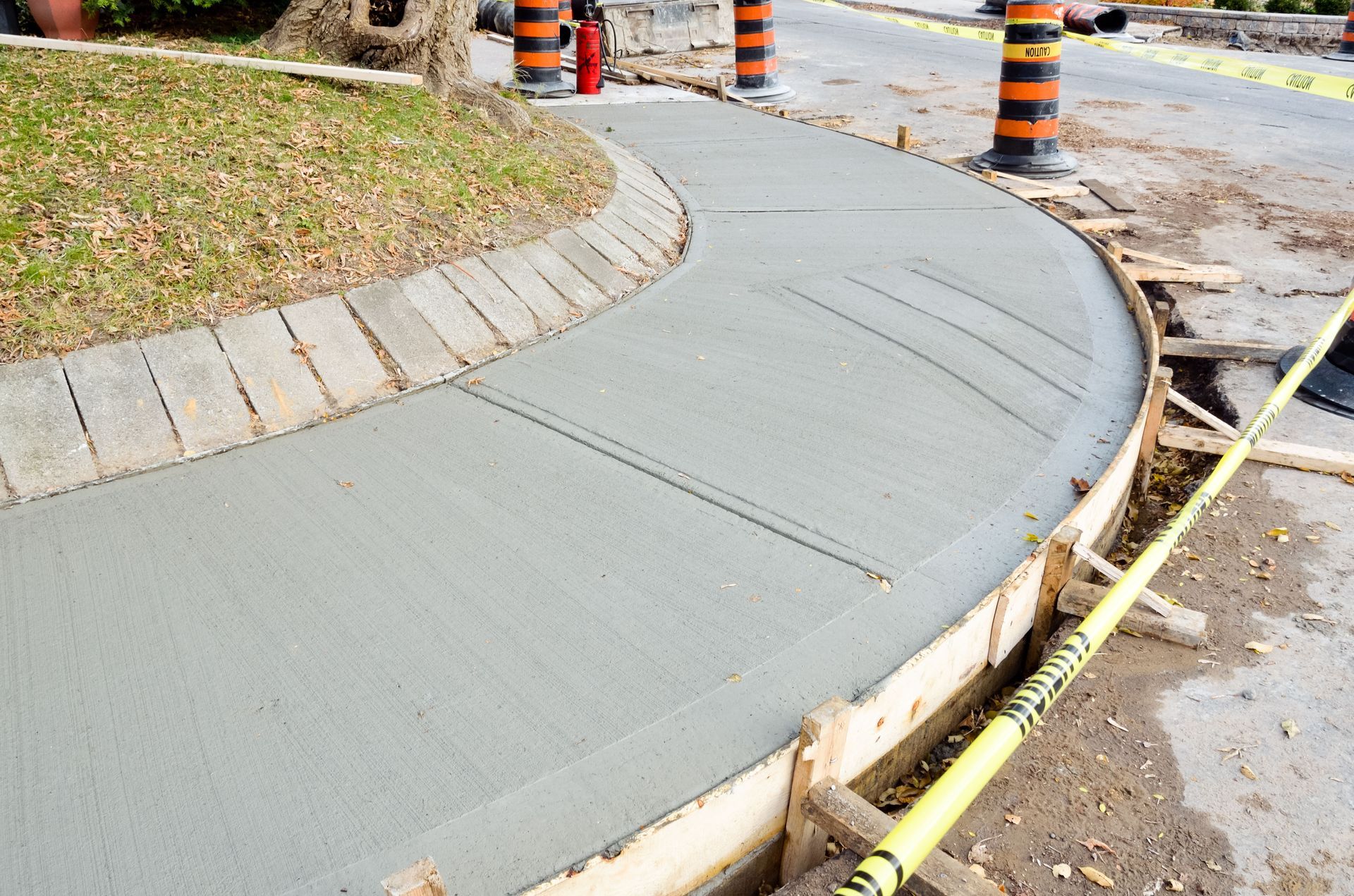
Cutting control joints and tooling outer edges are vital finishing tasks designed to manage inherent shrinkage stresses and control crack locations over time. Installing contraction joints at engineered intervals creates weakened planes that force unavoidable shrinkage cracks to form neatly along straight lines rather than appearing as unsightly diagonal surface fractures. Choosing the proper joint depth, timing, and spacing requires deep practical experience that every professional concrete construction specialist must apply during the active finishing window. Once all surface bleed water has evaporated, applying final finishing textures—such as a fine broom finish or steel trowel polish—delivers the exact slip resistance, durability, and visual appearance desired by the client.
Implement Strict Curing Procedures and Maintenance Schedules
Curing is unquestionably one of the most critical yet frequently overlooked phases in the entire lifecycle of cementitious building materials. Retaining adequate internal moisture and maintaining favorable temperature conditions allows chemical hydration to continue, which yields maximum compressive strength and surface hardness over time. Neglecting proper curing protocols in
concrete construction can reduce the final design strength by up to fifty percent while dramatically increasing surface permeability and susceptibility to scaling. Applying curing compounds, wet burlap covers, or plastic sheeting immediately after final finishing traps vital moisture within the matrix during the critical early hydration period.
Safeguarding newly poured slabs from premature physical loads, heavy foot traffic, and severe temperature drops is essential for preserving structural integrity during the curing phase. Heavy construction vehicles and commercial traffic should be restricted from accessing newly poured surfaces until the material achieves its full specified design strength. Applying high-performance penetrating sealers provides a robust barrier that guards against moisture absorption, freeze-thaw spalling, deicing chemical attack, and stubborn surface staining. Establishing a proactive routine maintenance schedule that includes periodic washing, inspection, and joint resealing guarantees that your structural investments remain visually appealing and structurally sound for decades to come.
Achieving lasting success in modern structural building projects demands a complete synthesis of thorough planning, quality material selection, disciplined execution, and rigorous post-pour care. By dedicating ample time to subgrade preparation, selecting custom mix formulations, mastering placement techniques, and enforcing proper curing standards, contractors consistently deliver superior results. Mastering every single phase of structural development enables trade professionals to create durable, highly functional, and visually striking structures that serve local communities for generations. Prioritizing ongoing technical education, field safety standards, and quality control ultimately elevates the standing of the entire building industry while delivering exceptional value to property owners.
At Cohorn Concrete Construction LLC, we take immense pride in delivering top-tier structural craftsmanship tailored precisely to meet your project specifications and timeline. Our highly skilled team combines decades of specialized field experience with modern building techniques to ensure your structural foundations are built to last for generations. We invite you to contact us today to discuss your upcoming project goals and experience firsthand how our dedication to quality can bring your vision to life.