October 18, 2026
Concrete is a durable and versatile material used for driveways, patios, sidewalks, foundations, and other essential structures. However, the quality of a finished concrete project depends on more than the materials alone. Proper preparation, careful installation, and attention to environmental conditions all contribute to a surface that performs well over time. Choosing an experienced professional helps property owners navigate these important details, avoid preventable problems, and achieve results that meet their expectations. Understanding how contractors maintain quality and reliability can make it easier to plan a successful construction project.
Establish Clear Project Expectations
Successful concrete work begins with a clear understanding of the property owner's goals. Before construction starts, a contractor should discuss the intended use of the space, preferred appearance, site conditions, and project requirements. A driveway designed for regular vehicle traffic, for example, may require different considerations than a decorative patio intended primarily for outdoor relaxation.
A local concrete contractor can also evaluate the property and identify potential challenges before they become expensive complications. Drainage concerns, uneven ground, limited access, and nearby structures may influence the project's design or construction methods.
Communication remains important throughout the planning process. Property owners should understand the proposed scope of work, anticipated schedule, material choices, and responsibilities involved. When questions are addressed early, everyone has a clearer understanding of the project's direction.
Prepare the Site for Lasting Performance
Proper site preparation is essential to concrete quality because the finished surface depends on the conditions beneath it. If the ground is unstable, poorly compacted, or uneven, the concrete may experience settlement, cracking, or other problems.
Preparation may involve removing vegetation, clearing debris, excavating unsuitable material, and establishing a stable base. Depending on the project's requirements, the contractor may also need to compact the soil or install appropriate supporting materials.
Grading and drainage deserve particular attention during this stage. Water that collects near concrete can contribute to erosion, undermine supporting materials, or create persistent maintenance concerns. Establishing appropriate slopes helps direct water away from vulnerable areas.
#BBD0E0 » 5 the editor Discover more HTML Code Cleaner HTML Beautifier Tool
Concrete is a durable and versatile material used for driveways, patios, sidewalks, foundations, and other essential structures. However, the quality of a finished concrete project depends on more than the materials alone. Proper preparation, careful installation, and attention to environmental conditions all contribute to a surface that performs well over time. Choosing an experienced professional helps property owners navigate these important details, avoid preventable problems, and achieve results that meet their expectations. Understanding how contractors maintain quality and reliability can make it easier to plan a successful construction project.
Establish Clear Project Expectations
Successful concrete work begins with a clear understanding of the property owner's goals. Before construction starts, a contractor should discuss the intended use of the space, preferred appearance, site conditions, and project requirements. A driveway designed for regular vehicle traffic, for example, may require different considerations than a decorative patio intended primarily for outdoor relaxation.
A local concrete contractor can also evaluate the property and identify potential challenges before they become expensive complications. Drainage concerns, uneven ground, limited access, and nearby structures may influence the project's design or construction methods. Reviewing these conditions helps determine what preparation is necessary and whether adjustments should be made before materials are delivered.
Communication remains important throughout the planning process. Property owners should understand the proposed scope of work, anticipated schedule, material choices, and responsibilities involved. When questions are addressed early, everyone has a clearer understanding of the project's direction.
Prepare the Site for Lasting Performance
Proper site preparation is essential to concrete quality because the finished surface depends on the conditions beneath it. If the ground is unstable, poorly compacted, or uneven, the concrete may experience settlement, cracking, or other problems.
Preparation may involve removing vegetation, clearing debris, excavating unsuitable material, and establishing a stable base. Depending on the project's requirements, the contractor may also need to compact the soil or install appropriate supporting materials.
Grading and drainage deserve particular attention during this stage. Water that collects near concrete can contribute to erosion, undermine supporting materials, or create persistent maintenance concerns.
Select Suitable Materials and Construction Methods
Choosing the right concrete mixture is another important part of delivering reliable results. Different projects have different performance requirements, depending on their intended use, exposure to weather, and expected loads. A residential walkway may have different needs from a heavy-use driveway or a structural application. Contractors must consider these factors when selecting materials for the job.
An experienced local concrete contractor understands that material selection should reflect the project's actual conditions rather than rely on a single approach for every installation. Concrete strength, workability, curing characteristics, and environmental exposure can all influence the final outcome.
Construction methods must complement the selected materials. Correct placement, consistent distribution, and careful finishing help create a surface that meets the intended specifications. Contractors should also follow relevant building requirements and established industry practices.
Maintain Precision During Installation
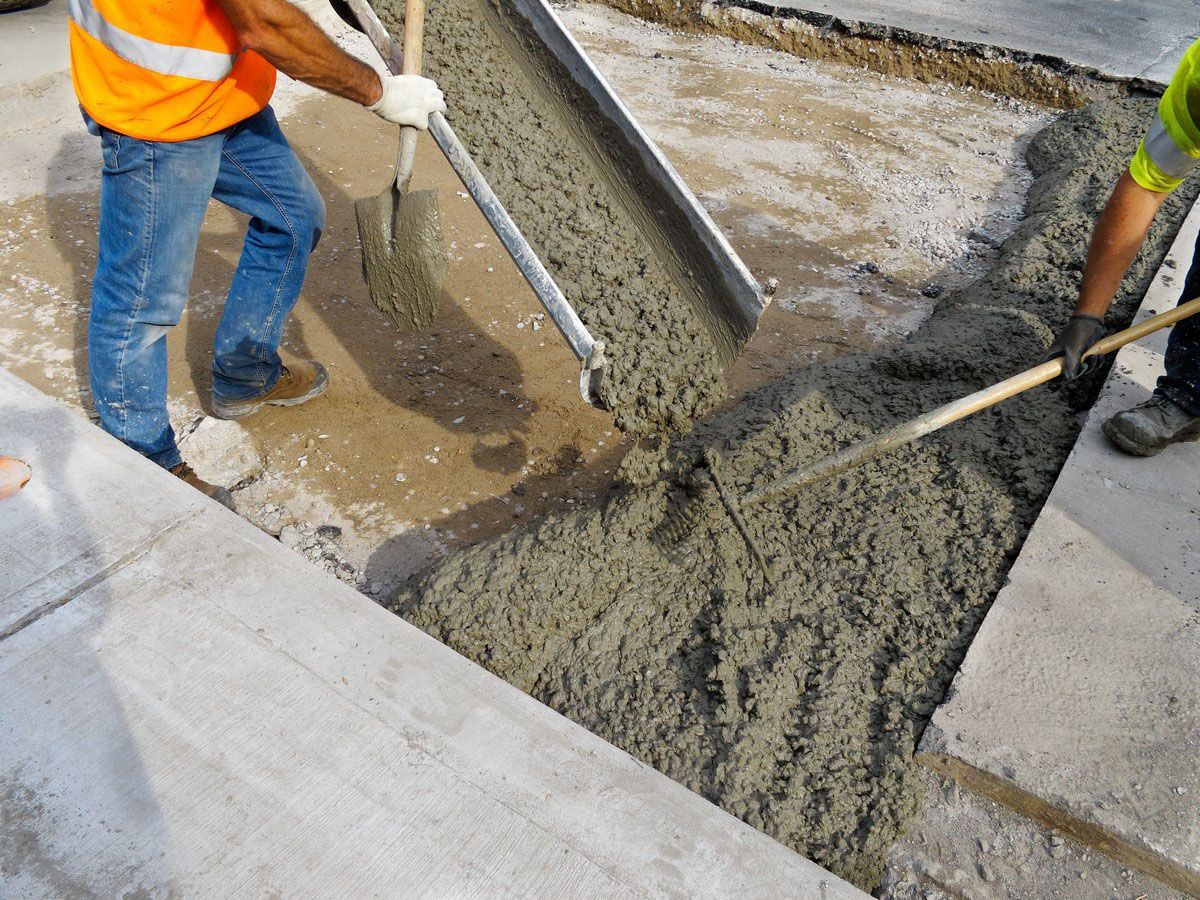
Even high-quality materials can produce disappointing results when installation is rushed or poorly coordinated. Contractors must manage the placement process carefully, ensuring the concrete is distributed appropriately and finished according to the project's requirements. Attention to detail helps prevent uneven surfaces, inconsistent textures, and other defects that may affect appearance or usability.
Timing is particularly important because concrete begins changing after it is mixed and placed. Workers must complete essential tasks within the appropriate working period, accounting for the mixture and prevailing conditions. Finishing too early or too late can affect the surface, while improper handling may compromise the intended texture or performance.
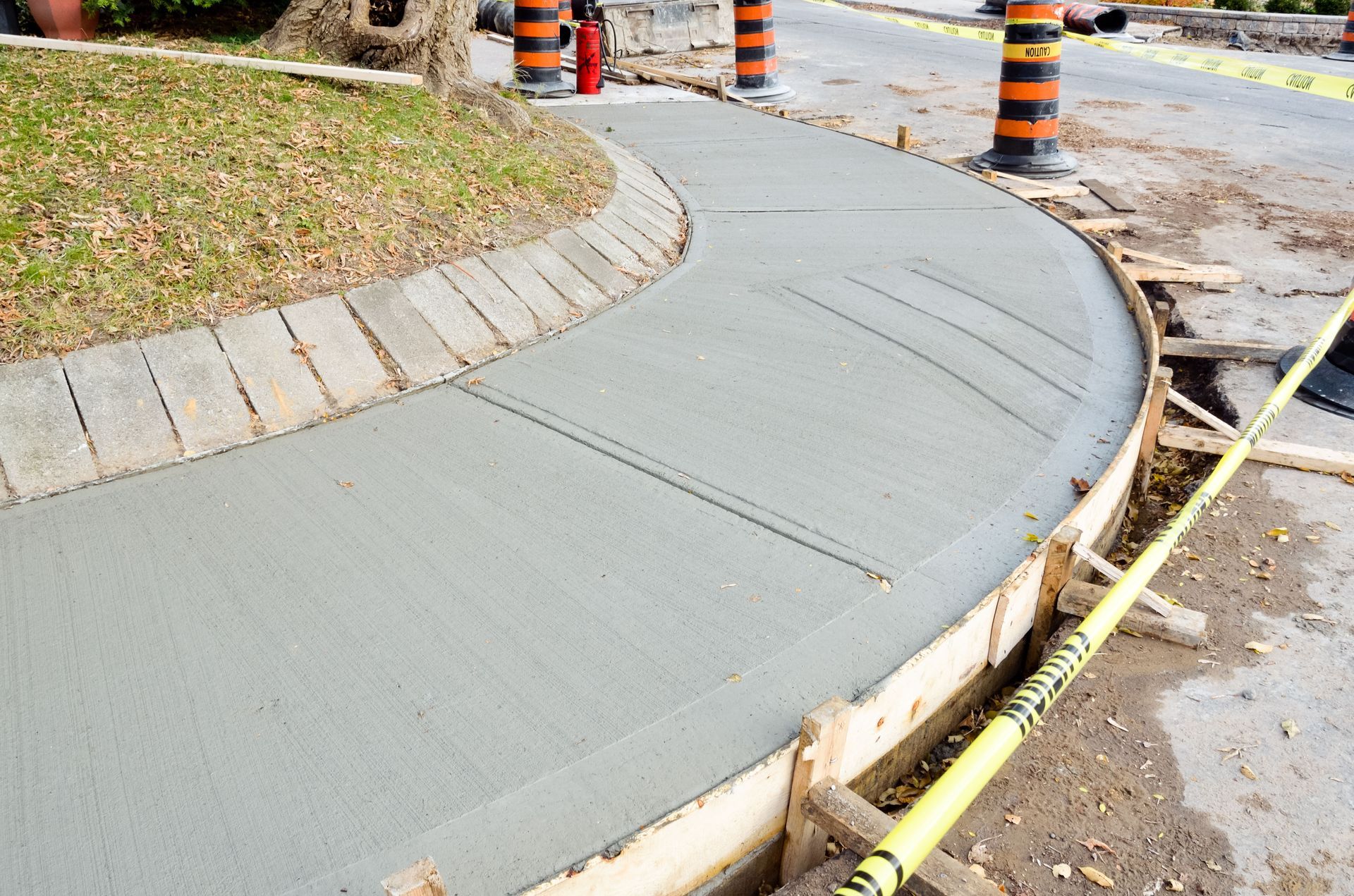
Experienced professionals also pay attention to joints and edges. Properly planned joints help accommodate the movement and shrinkage associated with concrete as it hardens and experiences temperature changes.
Protect Concrete During Curing
Concrete does not reach its intended performance simply because it has been placed and finished. Curing allows the material to develop strength through the chemical reaction between cement and water. Protecting concrete during this process is essential because premature moisture loss, temperature extremes, and other environmental conditions can interfere with proper hardening.
A reliable contractor considers weather conditions when scheduling and carrying out the work. Hot, dry, or windy conditions may increase moisture loss, while cold temperatures can slow strength development and create additional complications.
Property owners should also understand that newly installed concrete needs time before it can withstand its intended use. Walking on a surface, placing heavy objects on it, or driving over it too soon may cause damage. A local concrete contractor should explain the recommended waiting periods and any care instructions specific to the installation.
Following these recommendations helps protect the investment and reduces the likelihood of avoidable surface problems. Although curing may not be as visually noticeable as pouring or finishing, it is a critical part of achieving dependable concrete work.
Demonstrate Reliability Through Professional Standards
Quality workmanship involves more than completing construction tasks correctly. Reliable contractors also demonstrate professionalism through clear communication, realistic scheduling, responsible jobsite practices, and consistent attention to project requirements.
Experience and industry knowledge can help contractors make informed decisions when unexpected conditions arise. According to the U.S. Bureau of Labor Statistics, California has the country's largest workforce in the concrete finishing trade, employing 28,890 people in this occupation. This information illustrates the presence of a substantial skilled workforce within the industry, while also highlighting the importance of understanding the specialized work involved in concrete finishing.
Property owners should evaluate contractors based on relevant experience, references, project examples, and the ability to explain their construction approach. Written estimates should clearly describe the work included, materials involved, and any relevant project conditions.
Accountability continues after the installation is complete. A professional should explain maintenance recommendations, address questions about the finished project, and clarify any applicable workmanship warranties.
Ultimately, reliability comes from consistently following sound construction practices, communicating openly, and treating each project with appropriate care. When these principles guide the work, property owners have a stronger basis for expecting a finished installation that serves its intended purpose.
Ready to improve your property with quality concrete work? Contact Cohorn Concrete Construction LLC to discuss your project and take the next step toward a durable, professionally completed surface.